Santé et bien-être
Vaginal Discharge During Pregnancy
1 minutes Lire
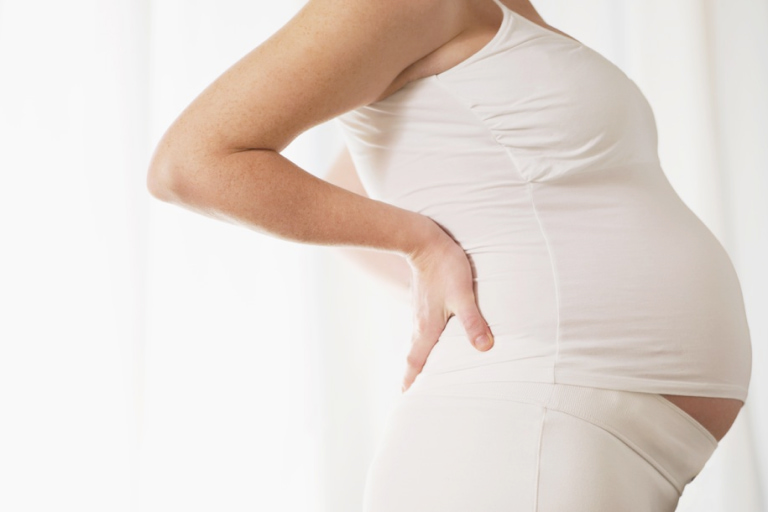
Normal vaginal discharge resembles clear mucus. It originates in your cervix and its purpose is to keep your vagina clean and protect it from infection. Healthy vaginal discharge has a mild and non-offensive smell.
Discharge during pregnancy is mostly harmless— there just tends to be more of it. Knowing what to look out for and being able to identify any changes is an important, safe practice for every woman.
The causes of discharge during pregnancy
During pregnancy, your cervix and the walls of your vagina will start to soften. Discharge increases at this time to help prevent infections from traveling up to your uterus. This protects you and your baby. Towards the end of your pregnancy, your baby's head presses more and more on your cervix. This pressure can also cause vaginal discharge to increase. In the last few weeks before birth, you might notice that your discharge also contains mucus and sometimes small specks of blood. This happens when your mucus plug (a ball of thick mucus that fills and protects your cervix during pregnancy) becomes dislodged. When you notice this, let your healthcare professional know. Although losing your mucus plug is not a true sign of labor starting, it's usually an early signal that you may be getting close to giving birth. If you notice bleeding from your vagina at any stage in your pregnancy, it's important to let your doctor or maternity care provider know. Any vaginal bleeding during pregnancy needs to be checked. Excessive bleeding can be a sign of a serious complication.
The information of this article has been reviewed by nursing experts of the Association of Women’s Health, Obstetric, & Neonatal Nurses (AWHONN). The content should not substitute medical advice from your personal healthcare provider. Please consult your healthcare provider for recommendations/diagnosis or treatment. For more advice from AWHONN nurses, visit Healthy Mom&Baby at
health4mom.org.